Divorce may end a marriage, but it does not end parental responsibility.
For divorced parents in Singapore, estate planning is especially important because arrangements made during a divorce do not automatically apply after death. Understanding how the law treats guardianship for children after one of the parents passes away can help prevent unnecessary conflict and protect your child’s general and emotional wellbeing.
In our first article, we explain the difference between Custody, Care and Control in Divorce settlements and Guardianship defined in the Will. In our second article, we discussed on the perils of nominating family members as beneficiaries or trustees of the estate monies.
If you are divorced and have children, you need to remember to know that the difference between custody, care and control, and guardianship is critical.
In this article, we discuss the changing circumstances of a divorcee’s life and the need to review their estate plan regularly.
Divorce is not a single event. It is a process that continues to evolve over time.
Immediately after a divorce, arrangements may appear stable. But as years pass, circumstances often change — new partners enter the picture, new families are formed, and priorities shift. For parents, these changes can significantly affect estate planning, especially where children from the first marriage are involved.
Understanding how different post-divorce scenarios affect estate planning helps parents make decisions that remain relevant not just today, but years later.
Divorce Arrangements Do Not Freeze Life in Time
Divorce settlements are designed for a particular moment:
- Both parents are alive
- Family structures are known
- Financial responsibilities are relatively clear
Estate planning, however, must anticipate change.
This is particularly important because:
- Custody and care arrangements end upon death
- Guardianship rules override divorce orders
- New family members may introduce competing interests
Four Common Post-Divorce Family Scenarios — and Their Challenges
Scenario 1: Both Parents Remain Single
At first glance, this appears to be the simplest situation.
Possible challenges:
- Informal arrangements may work well but are not legally documented
- Estate planning may be postponed due to perceived stability
- Guardianship intentions may not be clearly stated in a Will
Estate planning considerations:
- Clearly appoint joint guardians in a Will
- Separate caregiving roles from financial control
- Ensure children’s funds are properly ring-fenced in trust
Stability can sometimes lead to complacency. The currently single ex-spouse may still get married after the divorcee died. And so, at the point, they will have their own families to consider by then.
Scenario 2: The Parent with Daily Care Forms a New Family
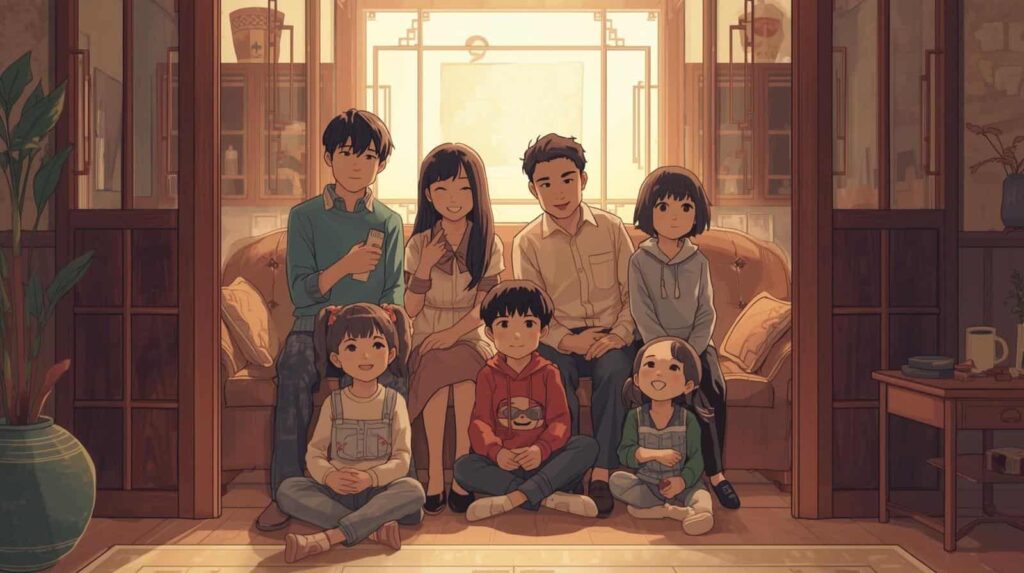
This scenario is very common and often emotionally sensitive.
Possible challenges:
- The child lives in a blended household with many kids
- A step-parent becomes deeply involved in daily care
- Financial resources are shared with a new family unit
Estate planning considerations:
- Clarify who should act as joint guardian if the caregiving parent passes away
- Protect the child’s inheritance from being unintentionally absorbed into the new family
- Ensure trust funds are used strictly for the child’s benefit, not simply household expenses that includes other child’s expenses
Without careful planning, the child’s interests may become blurred with those of the new family.
“Your dad/mum did not leave enough monies for your university education!”
Scenario 3: The Parent Without Daily Care Forms a New Family
This scenario introduces a different set of risks.
Possible challenges:
- The surviving parent may prioritise a new spouse or children since they do not have daily care of the children
- Financial resources may be redirected
- Emotional distance from the child may and most likely increase over time
Estate planning considerations:
- Appoint a trusted joint guardian to provide balance
- Ensure trustees can act independently and fairly
- Avoid lump-sum distributions that may be influenced by the surviving parent
Estate planning here is often about preserving continuity and fairness.
Scenario 4: Both Parents Form New Families
This is the most complex scenario and often the most underestimated.
Possible challenges:
- Competing loyalties across two new families
- Step-siblings and half-siblings with different expectations
- Increased risk of disputes over money and caregiving
Estate planning considerations:
- Clearly document guardianship intentions
- Use trusts to ring-fence funds for children from the first marriage
- Provide clear distribution rules to avoid ambiguity
- Anticipate long-term emotional and financial pressure on the child
In blended family situations, clarity is protection.
A Common Mistake Across All Scenarios
Regardless of the scenario, one mistake appears repeatedly:
Giving money meant for the child directly to the guardian.
This exposes the child’s inheritance to:
- The guardian’s personal financial risks
- Divorce, bankruptcy, or death of the guardian
- Misaligned incentives in blended families
A Safer Structure: Guardians for Care, Trustees for Money
A testamentary trust allows parents to:
- Appoint guardians to focus on caregiving
- Appoint trustees to manage money objectively
- Protect the child’s interests across changing family structures
This separation becomes more important — not less — as family dynamics grow more complex.
Key Terms Explained
| Term | Meaning in Simple Terms | ||
|---|---|---|---|
|
Custody |
Long-term decision-making rights during divorce
|
||
|
Care and Control |
Day-to-day care of the child |
||
|
Guardianship |
Responsibility for the child after death |
||
|
Joint Guardian |
Person acting alongside surviving parent |
||
|
Trustee |
Person or company managing money |
||
|
Testamentary Trust |
Trust created through a Will |
||
Post-Divorce Scenarios and Estate Planning Risks
| Scenario | Key Risk | Planning Focus |
|---|---|---|
|
Both parents single |
Complacency |
Clear guardianship & trust
|
|
Caregiving parent remarries |
Blended household risks |
Ring-fenced inheritance |
|
Non-caregiving parent remarries |
Shifted priorities |
Independent trustee |
|
Both parents remarry |
Competing interests |
Strong trust structure |
Final Thoughts
Your child is not Cinderella or Harry Potter and should not become such for there are rarely fairy tales ending in real life.
Estate planning for divorcees in Singapore cannot assume that life remains static.
The right plan is not the one that works today, but the one that continues to protect your child as family structures evolve over time.
Thoughtful planning brings clarity, stability, and peace of mind — even as life moves on.